
Motorcycle · Checked November 2026
Renting a scooter in Thailand
Renting takes five minutes. Getting your deposit back is the part people get wrong. Here's how to do both.
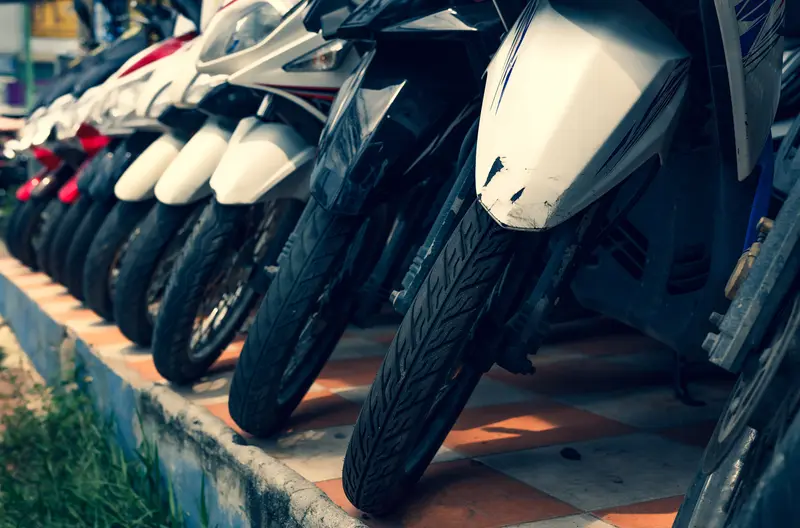
In most tourist towns you'll find a rental shop on every street, and the owner will hand you the keys after a quick look at your passport. That's the easy part. Most of the trouble happens at the end, when you bring the bike back and the shop finds a scratch you're sure was already there. A few minutes at pickup, and choosing how you pay the deposit, saves you most of that.
1. Sort out the paperwork first
You need a motorcycle licence from home and an International Driving Permit. Thailand treats a scooter as a motorcycle, so a car licence doesn't cover you, even on a small one. Your travel insurance also has to cover riding. Shops won't ask about any of this, but the police and your insurer will.
Read Before you ride for the full checklist.
2. A shop, or an app
Walking into a shop is how most people rent. It's quick and you can see the bike before you agree. The catch is the deposit. Shops usually want cash or your passport, and if they claim damage when you return the bike, they're holding the money and you have little leverage. Don't leave your passport: the UK government and others advise against it. Offer a photocopy and a cash deposit, and get a receipt.
Booking through an app moves the deposit away from the shop. Skoot is a rental app that works with shops in Thailand's main tourist towns. You pick the bike and dates in the app, sign the contract there, and pay by card. Your deposit is held by Skoot, not the shop, and you don't hand over your passport. If the shop says you damaged the bike, it has to send Skoot photos, and Skoot checks them before taking anything from your deposit.
Rent through Skoot
Skoot works in 16 places, including Chiang Mai, Pai, Phuket, Krabi and Ko Samui. Book in the app, keep your passport, and leave the deposit with Skoot instead of the shop.
Get the Skoot appAffiliate link: we may earn a commission at no extra cost to you. Checked November 2026.
3. Which scooter
Most shops rent automatic scooters of 110 to 125cc, and for one person in a town or on an island that's all you need. If you're riding two-up, or heading into the hills on something like the Samoeng Loop, a 150cc scooter has more power and a bigger seat. Anything larger is for riders with real experience on big bikes.
4. At the shop
Pull this list up on your phone and tick it off before you pay.
At the rental shop
0 of 9 done
Tick as you go. Your ticks stay on this phone only.
5. Handing it back
- Fill up at a petrol station, not from roadside bottles, and photograph the fuel gauge.
- Bring it back in daylight, with time to spare before your bus or flight. A dispute is harder to win when you're in a hurry.
- Keep the video you filmed at pickup until your deposit is back.
- If the shop claims damage you didn't cause, show them the video. If you can't agree, call the Tourist Police on 1155.
Where you can rent with Skoot
- Phuket
- Chiang Mai
- Ko Phangan
- Ko Samui
- Krabi
- Pattaya
- Bangkok
- Chiang Rai
- Pai
- Chiang Dao
- Chiang Saen
- Ko Tao
- Ao Nang
- Ko Lanta
- Khao Lak
- Jomtien
Common questions
Can I rent a scooter in Thailand without a licence?
Many shops will rent you one anyway, but riding without a motorcycle licence is illegal, and your travel insurance is unlikely to pay if you crash. Get the licence and the International Driving Permit before you go.
Should I leave my passport as a deposit?
No. Offer a photocopy and a cash deposit and get a receipt, or rent through an app that holds the deposit for you.
What size scooter should I rent?
A 110 to 125cc automatic for one person around town. A 150cc scooter if you're riding two-up or into the hills.
Do I have to wear a helmet?
Yes, by law, for both rider and passenger. Police stepped up enforcement in June 2025 and the fine is up to 2,000 baht each.
Is renting a scooter in Thailand safe?
It's the riskiest thing most visitors do. The WHO says about 84% of road deaths in Thailand are motorcyclists. Ride within your experience, wear a proper helmet, and avoid riding at night or after drinking.
Checked November 2026. Rules and fines change, so confirm with your own government's travel advice and your insurer before you go. This page is general information and isn't legal advice. Sources: UK government travel advice: Thailand, safety and security · WHO Thailand: road safety · The Nation: helmet fines from June 1, 2025 · Skoot: how it works